Ethiopia 2026 – Le Monde
For more than two decades, Ethiopia was one of the main countries of origin for international adoptions. From the late 1990s through the 2000s, thousands of children left the country for Europe and North America, at a time when other traditional adoption countries were tightening their regulations.
The demand abroad was high. The system on the ground, however, was often fragile, under-regulated, and deeply unequal.
Between administrative offices, orphanages, transporters and adoption agencies, a complex chain of intermediaries developed — one that, over time, became increasingly opaque. Prospective adoptive families were often asked to pay several thousand euros per child, contributing to the growth of what some observers would later describe as a lucrative system, where the pressure to “find children” could override safeguards.
In theory, Ethiopian law required clear consent from biological families, and adoption did not sever all legal ties between children and their relatives. In practice, the reality was often far more ambiguous. Poverty, lack of information, and miscommunication shaped many decisions.
Some parents believed they were placing their children temporarily, so they could access education or basic care. Others thought they would see them again. In certain cases, children were declared orphans while one or both parents were still alive.
“From now on, you will always say that your mother is dead, otherwise they will hurt her.”
For many of those children — now adults — the consequences have been lifelong.
Raised in different countries, languages, and cultures, they grew up with fragmented or inaccurate narratives about their origins. When doubts emerged, they were often dismissed. When questions surfaced, answers were rarely available.
“I had agreed for them to go study… not to leave forever, not to have other parents.”
Today, many adoptees are engaged in a difficult search for the truth. They navigate incomplete archives, missing records, and contradictory testimonies. In some cases, they rely on informal networks or social media to trace their families. In others, they travel back to Ethiopia with little more than a name, a date, or a photograph.
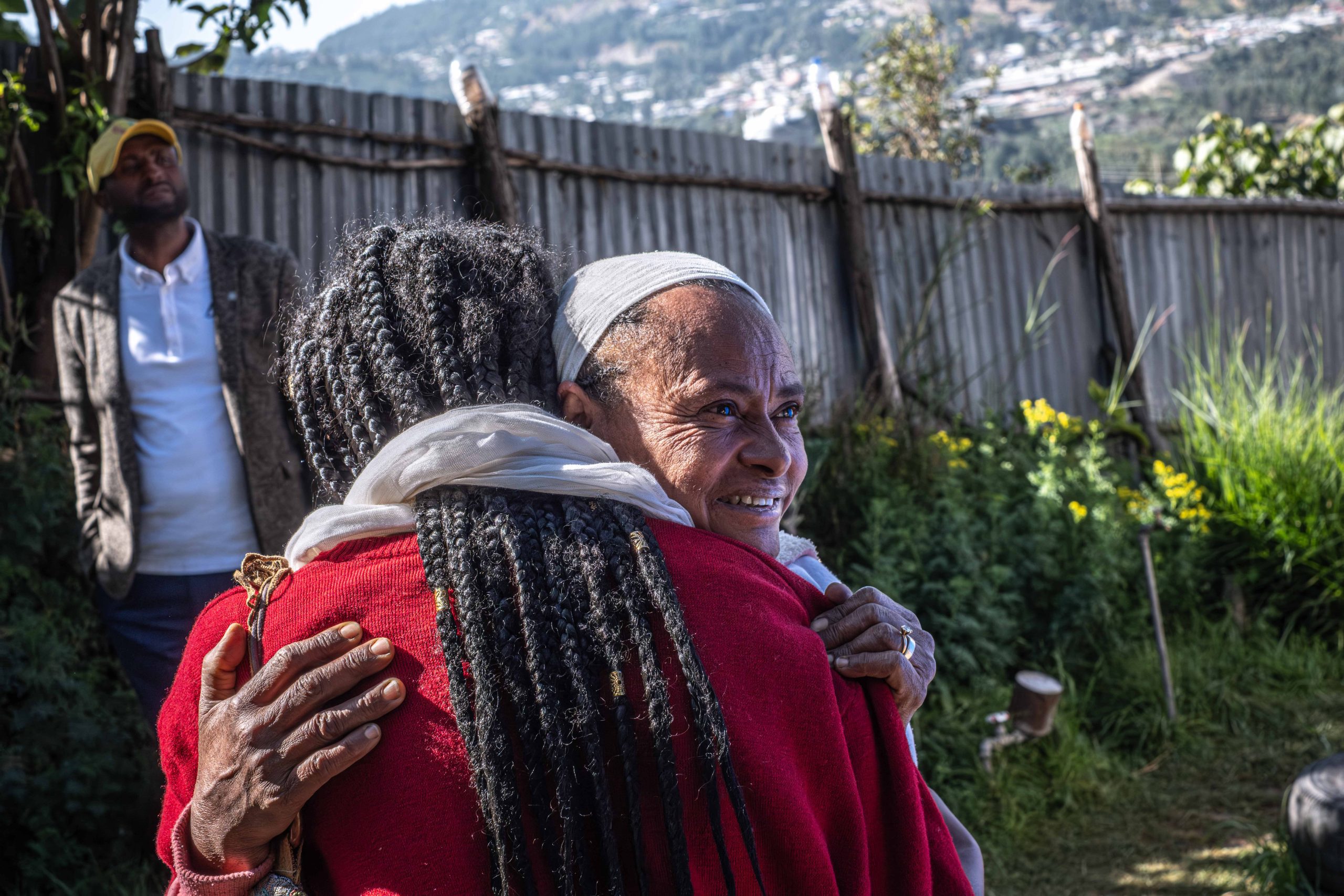
What they encounter is often uncertainty — and sometimes, unexpected reunions.
This project focuses on those journeys: the long, complex, and deeply personal process of reconnecting with a past that was, in many cases, rewritten. It also looks at the broader system that made these stories possible, at a time when international adoption was expanding rapidly, but oversight remained limited.
For five months, together with my colleague from Le Monde, we met adoptees, biological families, and key witnesses to document this sensitive issue.


