Ethiopia 2026 – Libération
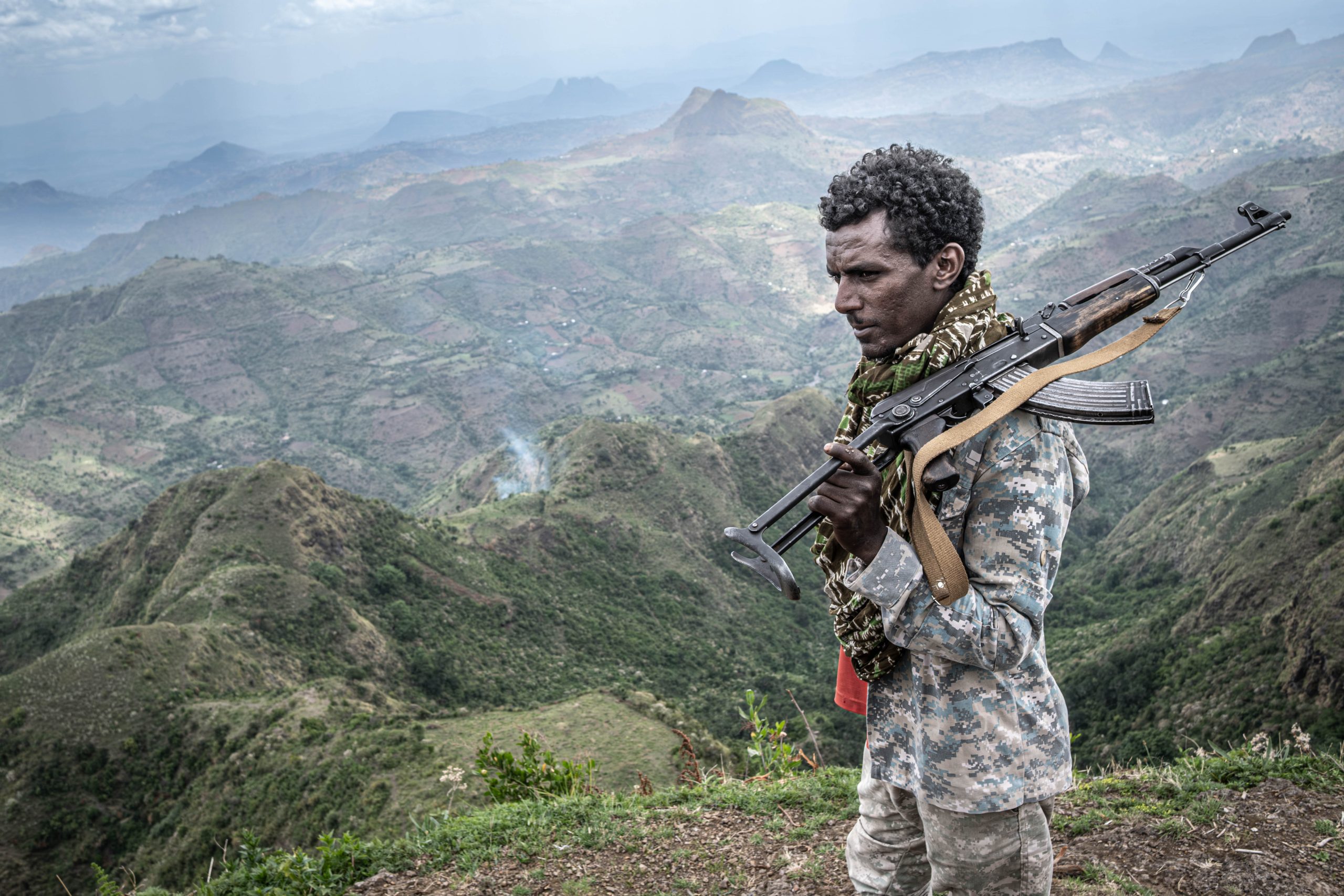
On June 1, Ethiopia held general elections widely expected to consolidate the power of Prime Minister Abiy Ahmed and his Prosperity Party. But in Amhara, the country’s second most populous region, the vote took place in the middle of an ongoing armed insurgency.
Since 2023, Fano militias, loosely organised armed groups that originally fought alongside federal forces during the war in Tigray, have turned against the government. What began as a political dispute over security arrangements and regional autonomy has evolved into a widespread conflict affecting large parts of Amhara. Federal authorities retain control of major urban centres, while many rural areas remain contested or under varying degrees of Fano influence.
In the weeks before the election, I travelled across the region to document how ordinary people were experiencing a vote taking place amid fear, uncertainty and war.
In Lalibela, one of Ethiopia’s most famous historic towns, opinions about the election revealed a striking generational divide. Older residents and those connected to state institutions generally expressed their intention to vote, viewing participation as a civic duty and a path towards stability. Younger people, however, often described themselves as disillusioned, questioning whether the election could bring meaningful political change.
Outside the town, federal forces had expanded their presence in an effort to secure roads and surrounding villages before polling day. Yet fear remained widespread. In the contested village of Shulit, a farmer who had not received his voter card explained why many residents were reluctant to participate.
“If we vote, they will take our animals… maybe worse.”
Around forty kilometres away, in the village of Gelesot, under Fano influence, armed fighters moved freely among civilians during market day. There, a young militiaman made the group’s position clear.
“We will do everything to stop the vote. We don’t recognize these authorities.”
Further south in Gondar, one of the region’s largest cities, the election campaign was remarkably subdued. Opposition parties complained about limited resources and the practical impossibility of campaigning in many areas because of insecurity. Posters were scarce and public political debate largely absent.
In the mountains north of the city, members of local militias aligned with federal authorities guarded isolated positions overlooking valleys controlled by Fano fighters. One fighter pointed across a canyon towards a village where some of his own relatives still lived.
“At least here, I can leave something to my wife. There, if you die, it’s over.”
Yet despite the violence and deep political divisions, many residents continued to express a desire for reconciliation. In the village of Bebesa, a farmer proudly displayed his voter card and summarised a sentiment heard repeatedly during the journey.
“If the government wants peace, it must bring them back, listen, forgive and reintegrate them.”
The election ultimately highlighted not only the federal government’s effort to project authority across the region, but also the profound fractures that continue to shape contemporary Ethiopia. For many people in Amhara, the central question was no longer who would win the vote, but whether a path towards peace remains possible.


