Ethiopia 2026 – Le Monde, DW, Inkstick, Nigrizia
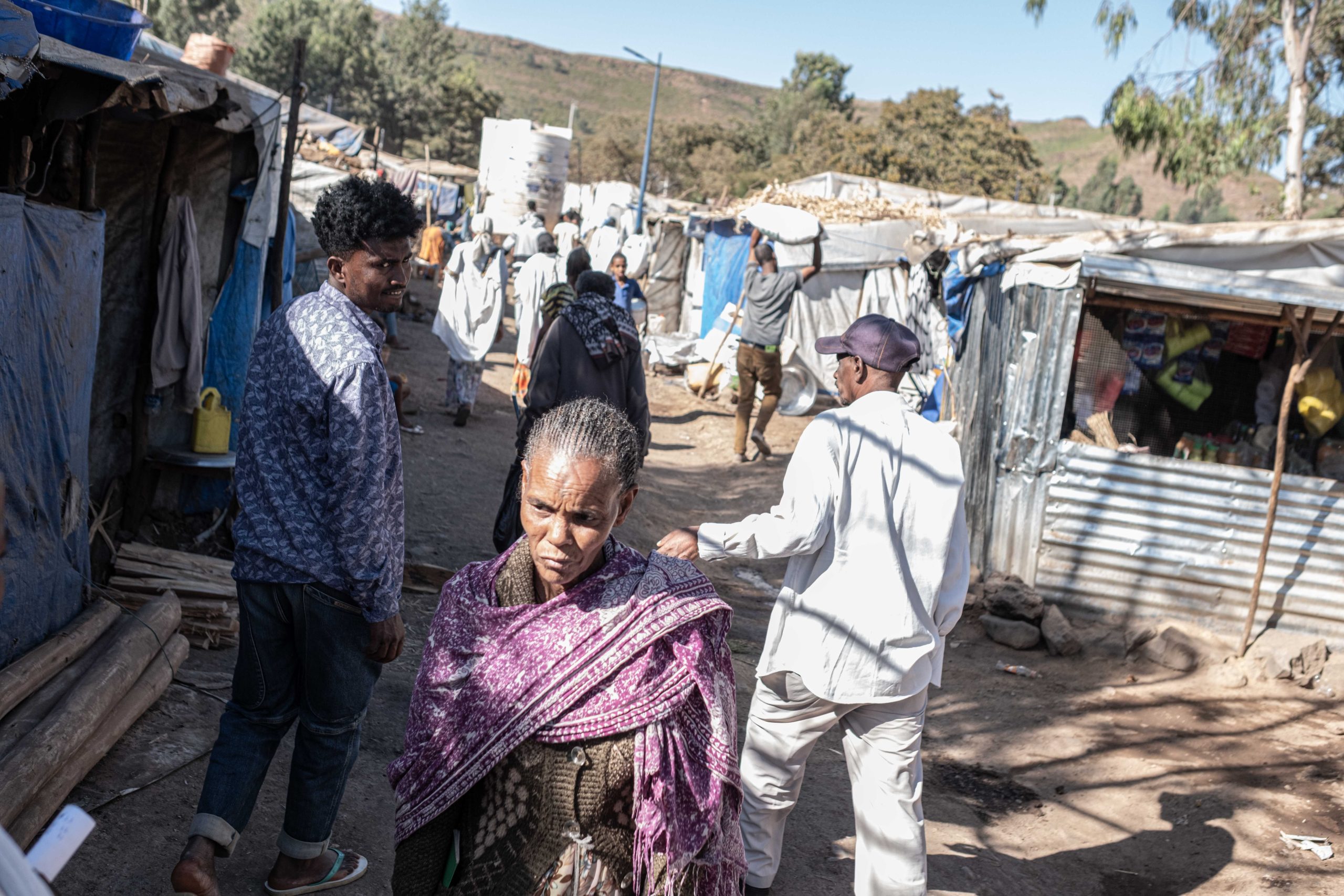
More than three years after the Pretoria Agreement of November 2022, key provisions remain unfulfilled. Western Tigray, including areas such as Wolkait, remains under the control of Amhara forces and allied militias, preventing hundreds of thousands of displaced Tigrayans from returning home. For nearly 800,000 internally displaced people living in camps across Shire, Mekelle and surrounding areas, the war has not truly ended.
At the same time, tensions between Ethiopia and Eritrea are rising again. Troop movements and increasingly hostile rhetoric have revived fears of a new confrontation. Many analysts warn that, if conflict erupts, Tigray could once again become the battlefield, with civilians paying the highest price. The situation is further complicated by internal divisions within the TPLF leadership, fragmenting the political landscape at a moment of extreme fragility and fueling speculation about shifting alliances, including the possibility of renewed tactical understandings with Asmara.
In Mekelle, daily life reflects this uncertainty. Inflation has eroded savings. Fuel is often bought on the black market. Cash is scarce due to banking restrictions. Young people gather in cafés with few job prospects, suspended between exhaustion and fear. Recovery never fully began, and now many fear the worst.
In Hitsats camp near Shire, recently reported in the media after dozens of deaths linked to hunger and malnutrition, desperation is growing. Some families see migration as the only remaining option.
In 2025 alone, more than 168,000 people departed from Ethiopia along the Eastern migration route, according to international monitoring data. Roughly 31 percent are estimated to come from Tigray, a likely undercount given the scale of informal departures. Many travel through Sudan and across the Sahara toward Libya, where detention, extortion and abuse are widespread.
In the camps, families already living on the edge sell livestock, jewelry, food rations or borrow money at high interest to free sons, brothers and husbands detained in Libya. Phone calls from detention centers become demands for ransom. Debt accumulates while humanitarian aid declines. For many, the war did not end with the ceasefire; it simply shifted north along the migration route.
The region remains caught between unfinished peace, political fragmentation and the looming risk of a wider war.


