Ethiopia 2026 – Libération
Tigray is again on the brink of war. Recent clashes and drone strikes blamed on Addis Ababa raise fears of another conflict. As forced recruitment spreads across the region, young Tigrayans are fleeing a war they do not want to fight.
Since March, the campaign has expanded, particularly after the Tigray People’s Liberation Front, or TPLF, regained control on 5 May. A proclamation issued in early June criminalises refusal to serve, assistance to those evading recruitment and criticism of the mobilisation, with penalties reaching 25 years in prison or, for some offences, death.
Human Rights First-Ethiopia describes men being taken from homes, buses, mines, bars, weddings and funerals, then sent to military camps. Human Rights Watch calls the campaign “illegal and abusive” and has documented children recruited as young as 15. Both report an escalating campaign and reprisals against families.
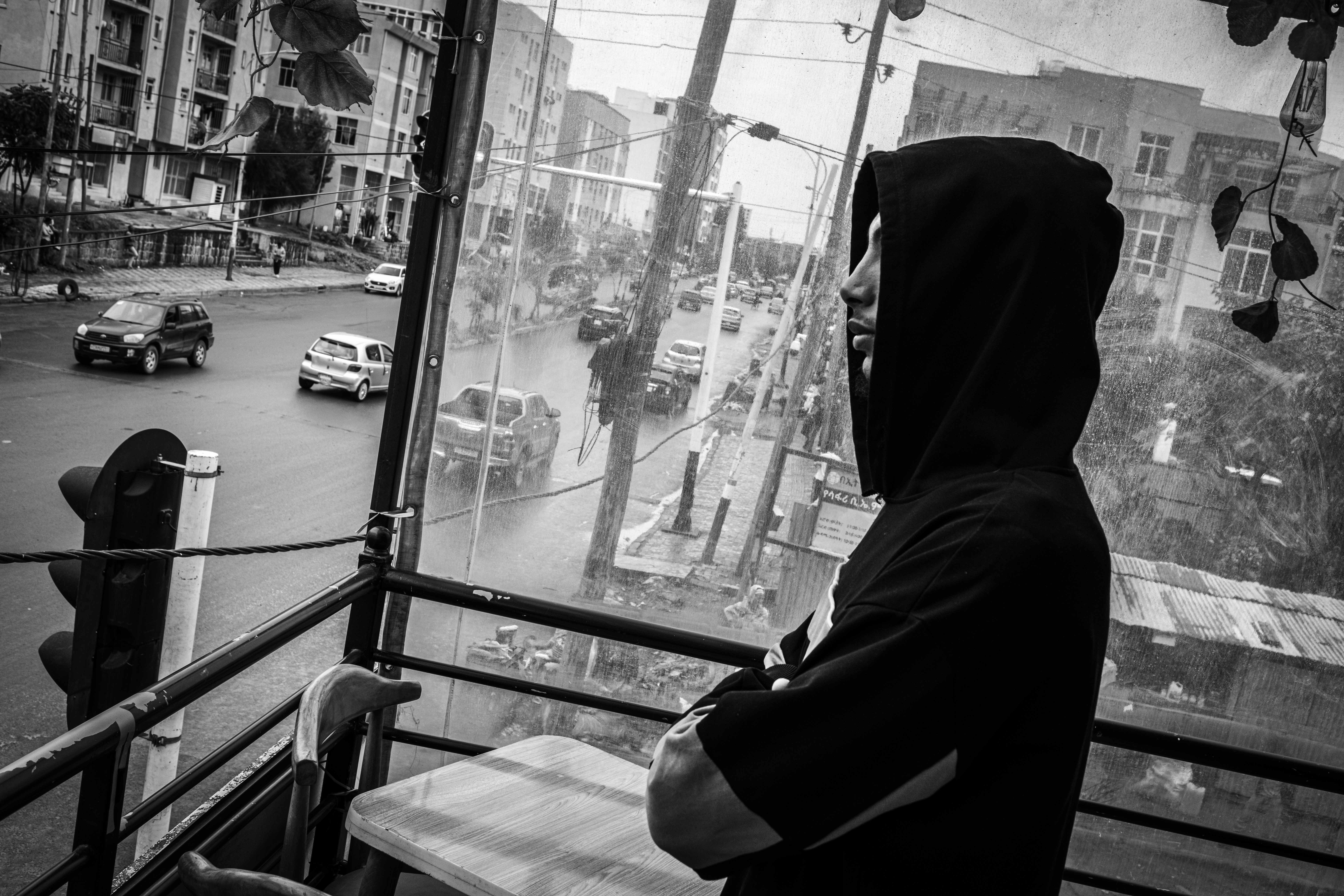
Young Tigrayans interviewed anonymously after fleeing to Addis Ababa described house searches, checkpoints and warning networks used to avoid raids. Others still inside Tigray spoke by phone.
“During the day, we stay locked inside. At night, when they search the houses, we hide in the woods, despite the cold,” says *Hagos, 31.
“They came to my parents’ house looking for me. I was away. They told them, ‘Bring your son back,’ and threatened them,” says *Gebru, 21, who later fled to Addis Ababa.
Some former fighters now refuse to return, saying another war would only preserve the power of an elite.
Those captured may have one minute to prove that relatives died during the previous war. After his cousin was arrested, *Teklay helped find proof that his brother had been killed.
“I found it. But one death in the family is not enough. Since then, we have heard nothing from him.”
Lawyer Getachew Gebrekiros Temare sees a political transformation: “During the war, the question was: how do we survive? Today, it is: who has the right to decide that we must die again?”
The witnesses’ names have been changed. If identified, their relatives could face detention and reprisals.


